Poisons to Watch for Around Your Pets
Helpful guides and trusted information to keep your cat safe, happy, and healthy.
Foods That Can Harm Your Cat
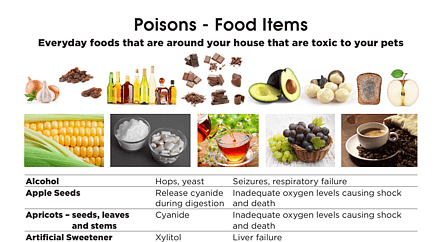
Many foods we have in our kitchens can be dangerous for cats, even in small amounts. This guide highlights common risks such as chocolate, caffeine, grapes, onions, xylitol (found in gum and sweeteners), and even raw dough. Some of these can cause serious effects like kidney failure, liver damage, seizures, or breathing difficulties.
Understanding what foods to avoid is one of the simplest ways to protect your cat’s health. If your cat is ever exposed to a harmful food, seek veterinary care immediately - acting quickly can make all the difference.
Protecting Your Cat from Everyday Household Poisons
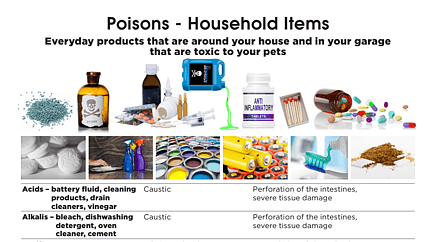
Many common household items, from cleaning products and medications to oils and fuels, can be highly toxic to cats. This helpful guide outlines everyday substances that pose a risk, the effects they can have, and why quick action is critical. From antifreeze and essential oils to detergents and human medications, even small exposures can lead to serious health issues such as kidney failure, seizures, or worse.
If your cat is ever exposed to a potential toxin, immediate veterinary care is essential. This resource is designed to help you stay informed, act quickly, and create a safer environment for your cat at home.
Everyday Plants that are Toxic to Your Pets
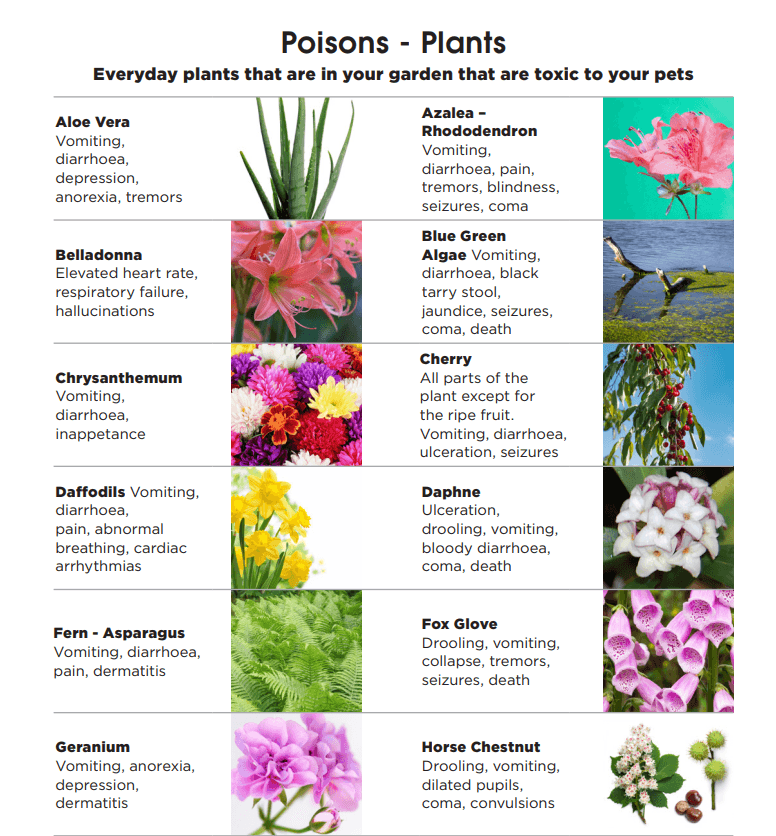
Many common plants found in everyday gardens can be toxic to cats and other pets, causing symptoms ranging from mild stomach upset to serious health complications. This guide highlights a variety of plants to be aware of and the potential risks they pose, helping pet owners make safer choices at home. If poisoning is suspected, it’s important to seek veterinary care immediately to ensure the best outcome for your pet.
Emergency Response for Your Cat
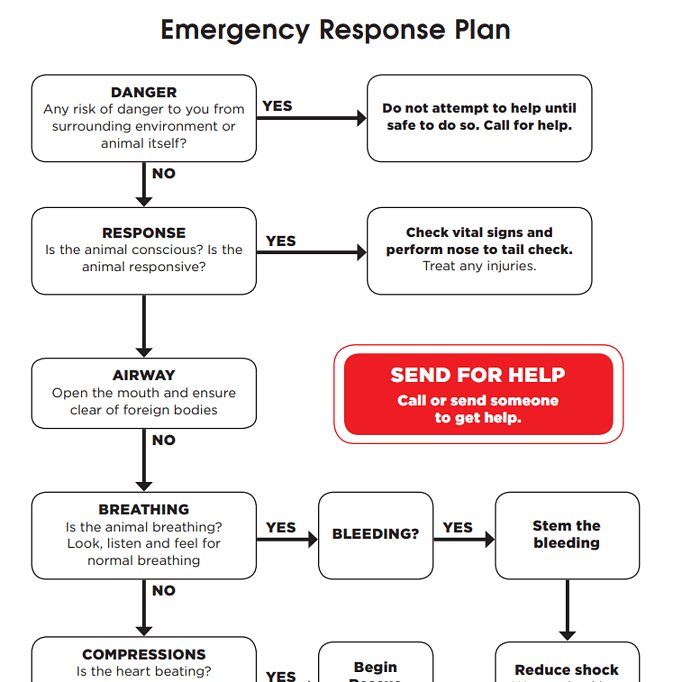
In an emergency, knowing what to do in those first moments can make all the difference. This guide walks you through the essential steps to assess your cat’s condition - from checking for danger and responsiveness to monitoring breathing and heartbeat. It also outlines when to begin first aid actions such as clearing the airway, controlling bleeding, rescue breathing, or CPR.
The most important priority is always your safety first, followed by getting your cat to a veterinarian as quickly as possible. This resource is designed to help you stay calm, act confidently, and give your cat the best chance of recovery in an emergency situation.